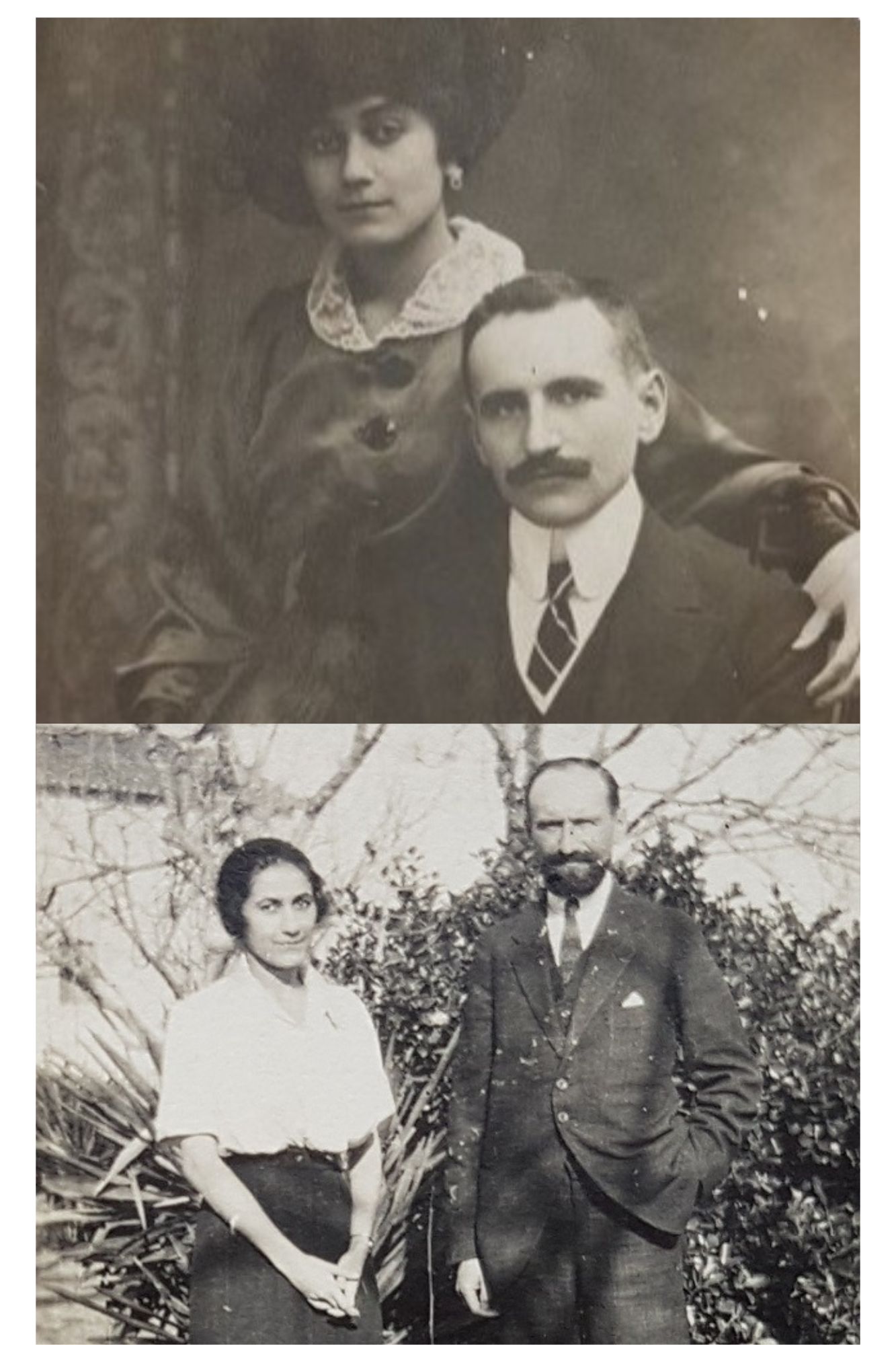
The online Cambridge Dictionary defines memoir as “a book or other piece of writing based on the writer’s personal knowledge of famous people, places, or events”. In other words, a memoir is written from the perspective of the author, and the author’s perspective is formed by their culture, upbringing and socio-economic demographic, amongst other things. One of the best explanations of this was written by Anaïs Nin in her autobiographical novel, Seduction of the Minotaur, and I quote: “We do not see things as they are, we see them as we are.”
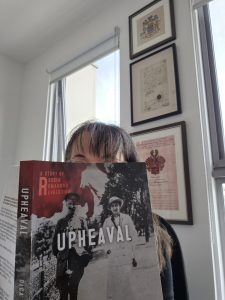
As readers of memoir, or indeed of anything, we need to bear this in mind. What we read is being written from the perspective of the author and many factors have influenced their point of view. For example, looking at my grandmother’s memoir, Upheaval, her perspective on the events she lived through is coloured by the lenses of aristocracy, wealth and faith. When she writes about their financial struggles after the Russian Revolution, it is quite possible that what she considered to be poverty is, for a person of another background, a decent financial existence.
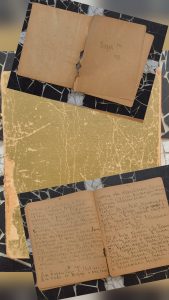
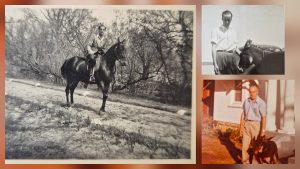
Those who were instrumental in beginning the Russian Revolution saw the political environment in Russia totally differently than the Romanovs, the Imperialists and the aristocracy did. There were in fact many perspectives on how the country could be improved or changed, which initially resulted in two rival governments and later in Civil War. When studying these events in Russian history, it is important to note the factors which influenced the information, checking to see if the resources cited are primary or secondary or, in some cases, have absolutely no connection to the recorded history. Primary resources such as diaries or letters are valuable sources which give an insight into how historical events are personally experienced. They can also be disappointing if the author neglects to mention the events and simply records what they ate for breakfast. Historical novels, although sometimes quite accurate, often change history and historical events to suit the story. I have read one or two historical novels which include my grandfather as a character and which have portrayed him as a totally different person to the one I knew personally and have come to know better through his writing.
When I was researching the events my maternal grandparents lived through, I attempted to find other memoirs written by Russian people of similar social and economic backgrounds to my grandparents. There are several memoirs written by members of the Romanov family and their friends or employees, but I could find nothing similar to my grandmother’s memoir which details not only life in Imperial Russia before the Revolution, but also her life afterward, when she took it upon herself to follow, or at least visit, my grandfather as he fought first in World War I and then in the Civil War. That’s not to say similar memoirs don’t exist, I just haven’t found them yet.
Perhaps you are interested in the events leading up to the Russian Revolution, or the violent and chaotic times of the Civil War. Possibly you have read books written by historians, or memoirs written by those closest to the last Tsar and his family. Maybe you would now like to read my grandmother’s experiences in Russia before and during the conflicts, if so you can find the second edition of Upheaval here.